22 Summer Decor Mistakes to Avoid in 2026
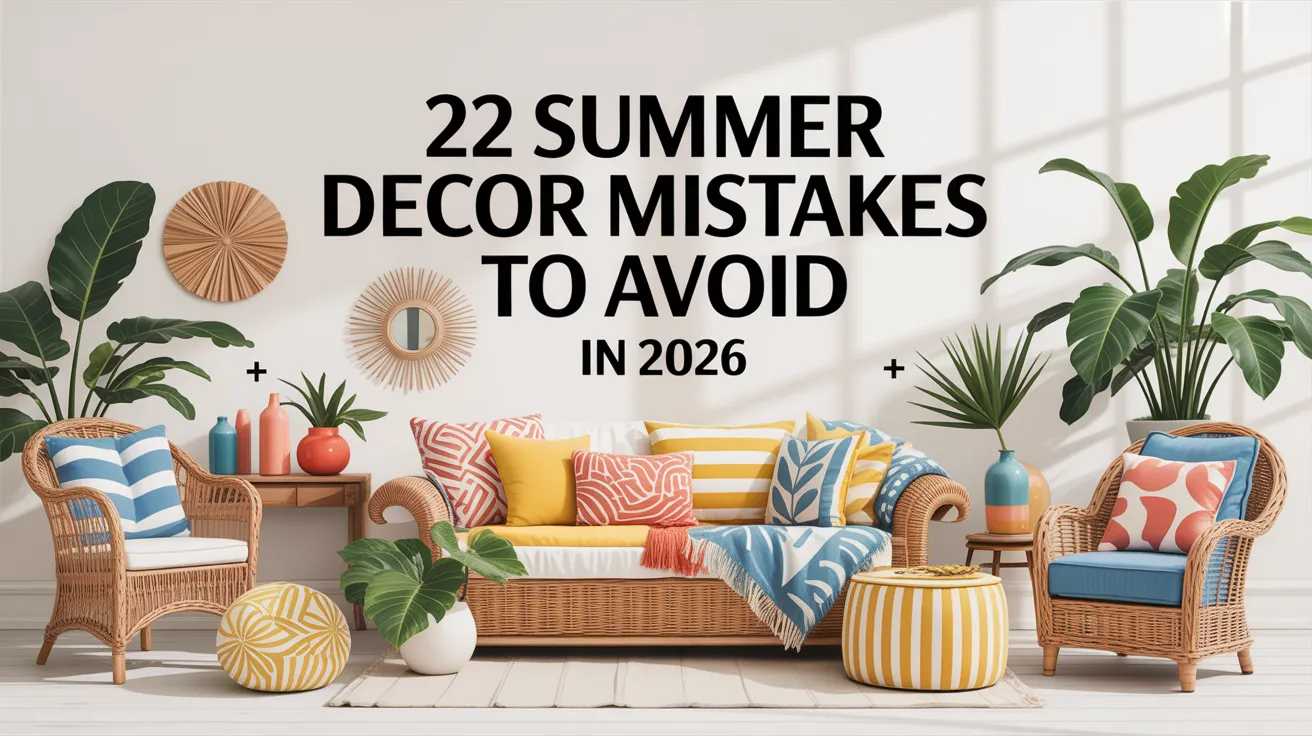
Avoid the most common summer decorating mistakes in 2026 with these practical and stylish tips. Learn what design choices can make your home feel cluttered, outdated, or uncomfortable and discover smarter alternatives that create a bright, fresh, and inviting summer space.
1. Using Heavy Winter Fabrics

One of the biggest summer decorating mistakes is keeping heavy winter fabrics throughout the season. Thick velvet curtains, chunky knit throws, and dark upholstery can make rooms feel warm and visually heavy. Summer interiors should embrace breathable materials that create a light and refreshing atmosphere.
Instead, swap winter textiles for linen, cotton, and lightweight woven fabrics. These materials allow natural light to flow through the space while creating a relaxed seasonal look. The simple change instantly makes a room feel cooler, brighter, and more inviting.
2. Overcrowding Rooms with Decor

Adding too many decorative accessories can overwhelm a room and reduce the airy feeling that summer decor should provide. Excessive ornaments, crowded shelves, and too many seasonal decorations often create visual clutter rather than style.
Focus on a few carefully chosen decorative elements that make an impact. Open spaces allow natural light to move freely throughout the room while making the entire home feel larger and more relaxing during warmer months.
3. Ignoring Natural Light

Blocking natural light with heavy window treatments is a common design mistake. Sunlight is one of the most valuable features in summer decorating because it creates warmth, brightness, and a welcoming atmosphere.
Replace dark curtains with sheer panels or lightweight fabrics. Maximizing natural light not only enhances the room visually but also highlights textures, colors, and architectural features throughout the home.
4. Choosing Dark Color Palettes

Dark color palettes can make rooms feel smaller and less inviting during summer. Deep tones absorb light and often create a heavier visual effect that feels better suited to colder seasons.
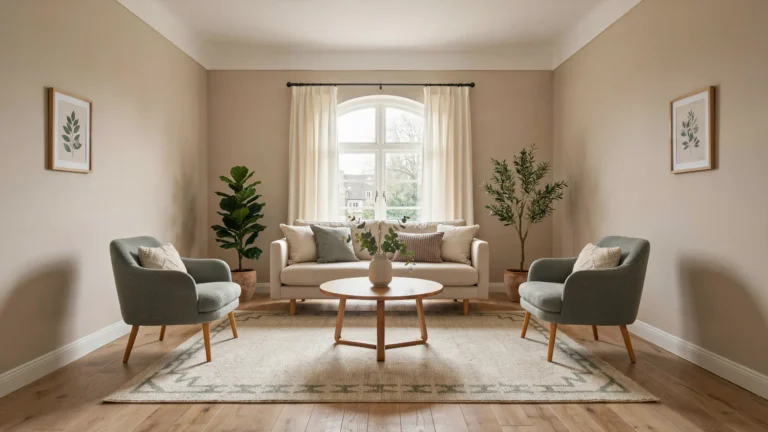
Opt for whites, creams, sandy neutrals, and soft pastels instead. These colors reflect sunlight beautifully and help establish the fresh, relaxed atmosphere associated with summer interiors.
5. Overusing Coastal Themes

Many homeowners assume summer decorating requires excessive coastal decorations. Too many seashells, anchors, and nautical accessories can quickly make a room feel themed rather than stylish.
Instead, incorporate subtle coastal influences through color palettes, natural textures, and organic materials. This creates a sophisticated summer aesthetic without overwhelming the overall design.
6. Neglecting Indoor Plants

A summer home without greenery can feel incomplete. Indoor plants introduce freshness, texture, and natural beauty that enhance seasonal decorating while improving the overall atmosphere.
Even a few carefully placed plants can transform a room. They create visual interest and strengthen the connection between indoor spaces and the natural world outside.
7. Using Too Many Bright Colors

While color is important during summer, using too many bold shades can create visual chaos. Overly vibrant palettes may feel overwhelming rather than relaxing, especially in smaller rooms.
Choose one or two accent colors and balance them with neutral backgrounds. This approach keeps the design lively while maintaining a cohesive and sophisticated appearance.
8. Forgetting About Texture

Many people focus solely on color when decorating for summer and overlook texture. Without texture, even beautiful color schemes can appear flat and uninspiring.
Incorporate natural materials such as rattan, linen, jute, and wood. These elements add warmth and dimension while creating a more comfortable and visually interesting environment.
9. Keeping Heavy Area Rugs

Thick rugs designed for winter comfort can feel out of place during warmer months. They often make rooms appear heavier and can reduce the breezy atmosphere that summer decorating aims to achieve.
Replace them with lightweight natural fiber rugs made from jute, sisal, or cotton. These options introduce texture while maintaining a fresh and relaxed appearance.
10. Ignoring Outdoor Views

Summer is the perfect season to celebrate outdoor views. Blocking windows with furniture or excessive decor prevents homeowners from enjoying natural scenery and sunlight.
Arrange furniture to highlight outdoor views whenever possible. This simple adjustment strengthens the connection between indoor and outdoor living spaces.
11. Using Outdated Summer Decor Trends

Relying on outdated seasonal decorations can make a home feel disconnected from current design trends. Summer decor in 2026 emphasizes simplicity, texture, and natural materials rather than overly themed accessories.
Refreshing decorative elements helps keep interiors modern and relevant. Small updates often make a significant difference in the overall appearance of a room.
12. Overdecorating Coffee Tables

Coffee tables often become cluttered with decorative objects that limit functionality. Excessive accessories can make the room feel crowded and reduce visual balance.
A simple arrangement featuring books, greenery, and one statement object is usually more effective. The result feels polished while preserving practicality.
13. Choosing the Wrong Lighting

Harsh lighting can negatively impact the atmosphere of a summer interior. Bright overhead fixtures often create a sterile environment that lacks warmth and comfort.
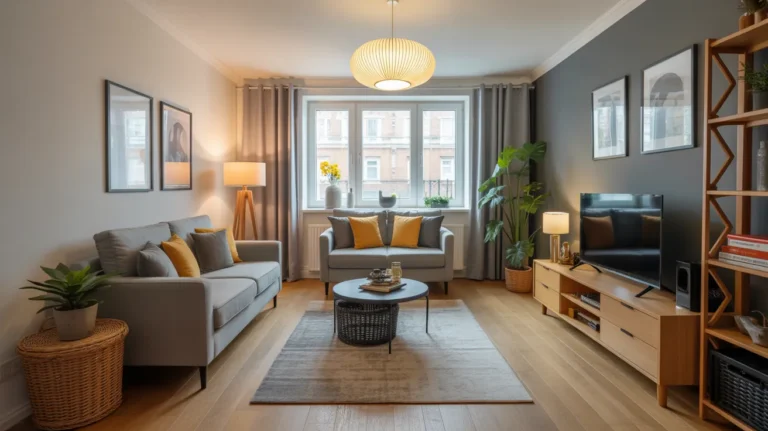
Layered lighting solutions provide flexibility and ambiance. Combining table lamps, floor lamps, and natural light creates a welcoming and adaptable space.
14. Neglecting Balcony or Patio Spaces

Many homeowners focus exclusively on interior spaces and overlook balconies or patios. These areas can become valuable extensions of the home during warmer months.
Simple additions such as seating, lighting, and plants can transform outdoor spaces into inviting retreats perfect for relaxation and entertaining.
15. Using Artificial-Looking Materials

Artificial materials often lack the warmth and authenticity associated with modern summer design. Plastic-looking finishes can make interiors feel less inviting and less sophisticated.
Natural materials provide texture and character while supporting the organic aesthetic that continues to dominate design trends in 2026.
16. Ignoring Seasonal Scents

Decorating isn’t only about visual appeal. Ignoring scent can mean missing an opportunity to enhance the overall atmosphere of a room.
Fresh flowers, subtle candles, and natural fragrances contribute to a complete sensory experience. They help create a welcoming and memorable environment.
17. Hanging Artwork Too High

Incorrect artwork placement is a surprisingly common design mistake. Hanging pieces too high disrupts visual balance and makes rooms feel less cohesive.
Artwork should generally be positioned near eye level. Proper placement helps create harmony and ensures decorative elements complement the surrounding furniture.
18. Overmatching Furniture Sets

Matching every furniture piece can result in a room that feels predictable and lacking personality. Summer interiors benefit from a more relaxed and collected appearance.
Mixing textures, materials, and styles creates visual interest while maintaining cohesion. The result feels more authentic and professionally designed.
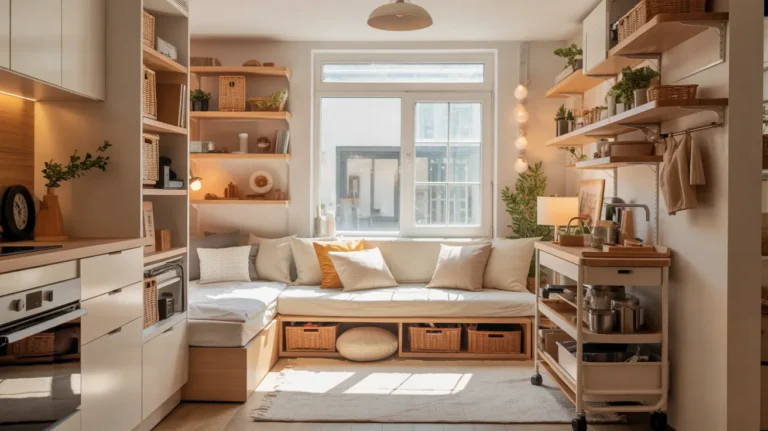
19. Forgetting Functional Storage

Clutter quickly undermines even the most beautiful decorating efforts. Without adequate storage, everyday items can make rooms feel disorganized and overwhelming.
Decorative storage solutions help maintain a tidy appearance while contributing to the overall aesthetic. Organization is an essential part of successful summer decorating.
20. Neglecting Entryway Decor

The entryway creates the first impression of a home. Ignoring this area can make the entire space feel less welcoming, regardless of how beautifully other rooms are decorated.
Simple seasonal updates such as greenery, mirrors, and woven accents create an inviting introduction to the home.
21. Following Trends Without Personal Style

Design trends can provide inspiration, but following them too closely may result in a space that feels generic. Homes should reflect the people who live in them.
Incorporating meaningful pieces and personal preferences ensures the space feels authentic. The most successful interiors balance trends with individuality.
22. Forgetting Comfort for Style

One of the biggest decorating mistakes is prioritizing appearance over comfort. Beautiful spaces should also support relaxation, conversation, and everyday living.
Choose furniture and accessories that combine style with practicality. A comfortable home always feels more welcoming and enjoyable throughout the summer season.